

Hidden Secrets of Landscape Design
Landscape design is often perceived as a purely aesthetic art, but beneath its visual beauty lies a network of subtle strategies that shape how people feel, move, and interact with outdoor spaces. The most compelling landscapes are not accidental; they are carefully constructed environments where every line, texture, and shadow has a purpose. These hidden features transform ordinary gardens into immersive experiences that quietly influence emotions and behavior.
One of the most secretive aspects of landscape design is the manipulation of perspective. Designers use scale, proportion, and visual layering to make spaces appear larger or more intimate than they actually are. Narrow paths that gradually widen, trees planted in diminishing sizes, and carefully placed focal points can trick the eye into perceiving depth and distance. This technique is not merely decorative; it guides visitors naturally through the landscape without obvious signs or barriers.
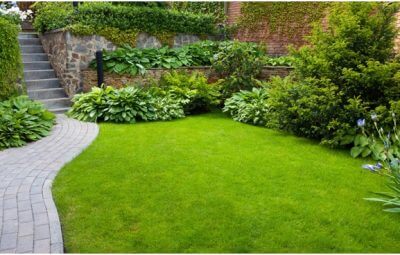
Another subtle tool is the choreography of movement. Skilled designers predict how people will walk through a space and shape routes accordingly. Curved pathways encourage slow exploration, while straight lines suggest efficiency and purpose. Changes in texture underfoot—such as gravel, wood, or stone—signal transitions between zones without the need for words. These details create a silent dialogue between the environment and its visitors, making movement feel intuitive rather than forced.
Sound is an often-overlooked dimension of landscape design, yet it plays a powerful role in shaping atmosphere. The rustling of leaves, the trickle of water, and the strategic placement of plants that respond to wind all contribute to an acoustic identity. Designers may also use hedges and terrain to block urban noise, creating pockets of calm in busy environments. In commercial landscapes, thoughtful planning can even intersect with practical considerations like business insurance, where well-designed outdoor spaces help reduce risks and enhance the overall value of a property.
Color psychology is another hidden layer that influences perception on a subconscious level. Warm colors can energize a space and draw attention, while cool tones promote relaxation and reflection. Seasonal color planning ensures that a landscape evolves throughout the year, offering changing moods rather than static visuals. Designers often blend native and exotic plants not only for biodiversity but also to craft emotional rhythms that shift with light, weather, and time.
Perhaps the most secret feature of landscape design is its ability to tell stories without words. Through symbolic plant choices, spatial hierarchies, and subtle contrasts between wild and controlled elements, a landscape can express identity, history, or values. Whether in a private garden, public park, or corporate courtyard, these invisible narratives make spaces memorable and meaningful. The true mastery of landscape design lies not in what is immediately visible, but in the quiet mechanisms that shape how we experience the world around us.